
Local Law 55 Allergen Inspections for NYC Landlords and Property Managers
New York City's Local Law 55 requires landlords of multifamily buildings to conduct annual indoor allergen hazard inspections — and the standard is specific enough that getting it wrong creates more liability than ignoring it. Oasis Indoor Environmental provides independent, certified LL55 inspections that document what the law requires, in a format that holds up.
What Local Law 55 Actually Requires of NYC Landlords
Local Law 55, the Asthma-Free Housing Act, took effect in 2018 and applies to multifamily residential buildings with three or more units. It requires landlords to inspect every dwelling unit and the building's common areas for indoor allergen hazards at least once a year, and again whenever a new tenancy begins. The law identifies specific hazard categories: mold, mouse and cockroach infestations, and the underlying conditions — moisture, water damage, pest entry points — that allow those hazards to take hold.
The inspection must be conducted by a qualified person using a written checklist. If hazards are found, the landlord is required to remediate them and verify the work is complete. Buildings with a history of HPD violations or tenant complaints carry heightened scrutiny. The law is enforced through HPD, and non-compliance can result in violations, fines, and exposure in housing court.
What Our Local Law 55 Inspection Covers
A compliant annual allergen inspection under LL55 is more than a visual walkthrough. Our inspections are structured to address every category the law specifies and produce documentation that demonstrates due diligence.
Why Independent Inspection Matters Under LL55
The practical problem with Local Law 55 compliance is that the person conducting the inspection has to be credible — to tenants, to HPD, and to a judge if a dispute reaches housing court. An inspection performed by building staff or a contractor with a financial stake in the outcome is difficult to defend. An independent assessor with documented credentials and no remediation business changes that calculation entirely.
In New York State, mold assessors and mold remediators are legally required to be separate entities. Oasis Indoor Environmental is an inspection-only firm. We have no remediation crews, no contractor referral arrangements, and no revenue tied to what we find. Our LL55 inspection reports are written to document conditions accurately — not to generate follow-on work.
Mold and Moisture Assessment
We inspect for visible mold growth, water staining, and the moisture conditions that allow mold to establish and return. Where conditions warrant, we use moisture meters and thermal imaging to identify concealed sources — not just surface symptoms. Findings are documented with photographs and written observations tied to specific locations within the unit.
Pest and Infestation Evidence
LL55 specifically identifies mouse and cockroach allergens as regulated hazards. We inspect for active infestation signs, pest entry points, harborage conditions, and evidence of prior pest activity. This includes gap assessment at utility penetrations, pipe chases, and door thresholds — the structural vulnerabilities that building-level pest control alone cannot resolve.
Underlying Conditions and Contributing Factors
The law requires identifying not just the hazard itself but the conditions that caused it. Our inspection documents ventilation deficiencies, drainage problems, plumbing failures, and construction defects that create ongoing risk. This matters for compliance because remediating a hazard without addressing its source does not satisfy the law's intent — and courts have taken that position in tenant litigation.
Common Area Inspections
Local Law 55 applies to common areas as well as individual units. We inspect hallways, laundry rooms, basements, mechanical rooms, and other shared spaces for allergen hazards and the conditions that generate them. Common area findings are documented separately from unit-level findings so your records reflect the full scope of the inspection.
Who We Work With and Where We Inspect
Oasis Indoor Environmental has served the New York metro area since 2005. Our LL55 inspection work covers landlords and property managers across all five boroughs — Manhattan, Brooklyn, Queens, the Bronx, and Staten Island — as well as Westchester County and Bergen County, NJ. We work with individual building owners managing a handful of units, mid-size portfolio operators, and management companies handling dozens of properties across multiple jurisdictions.
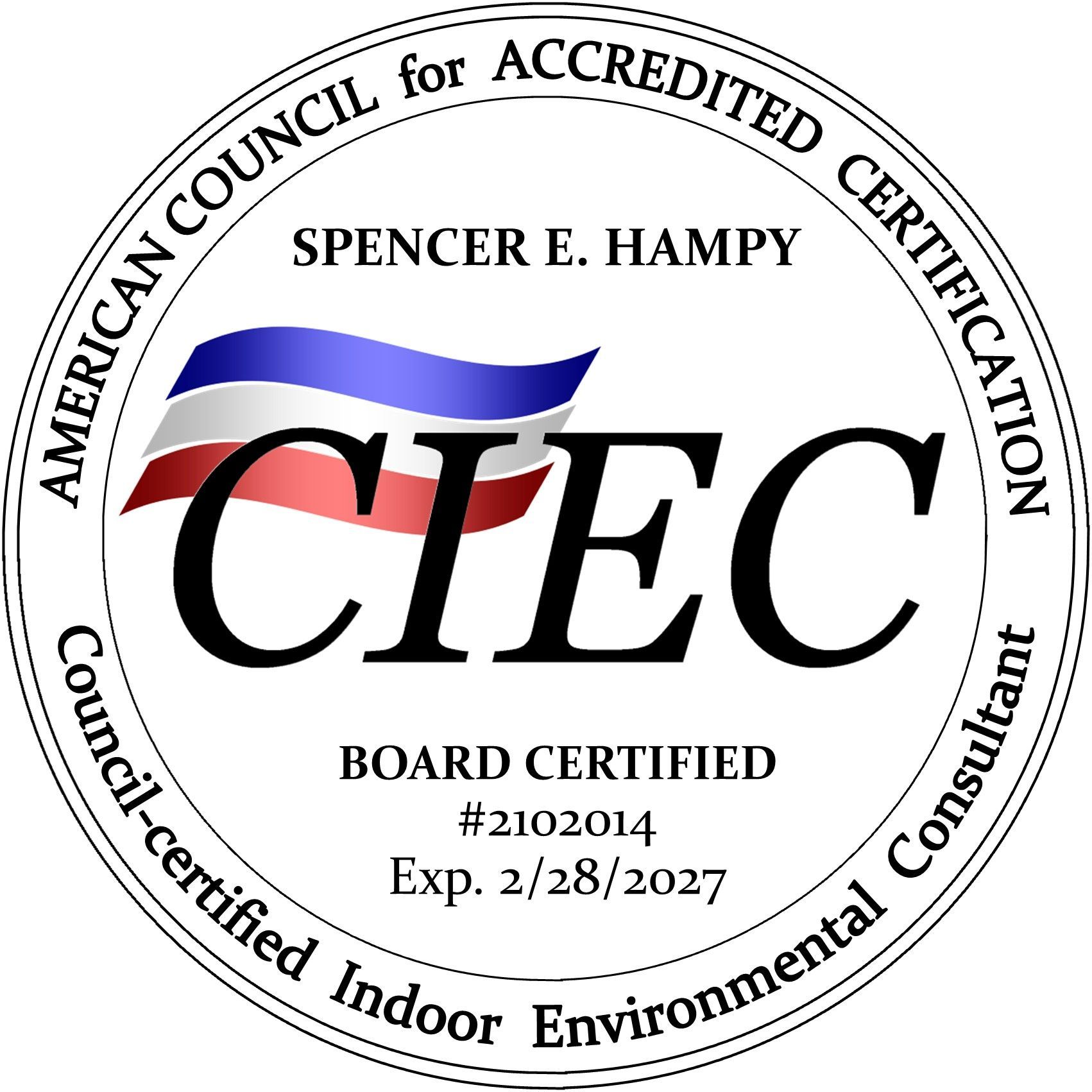
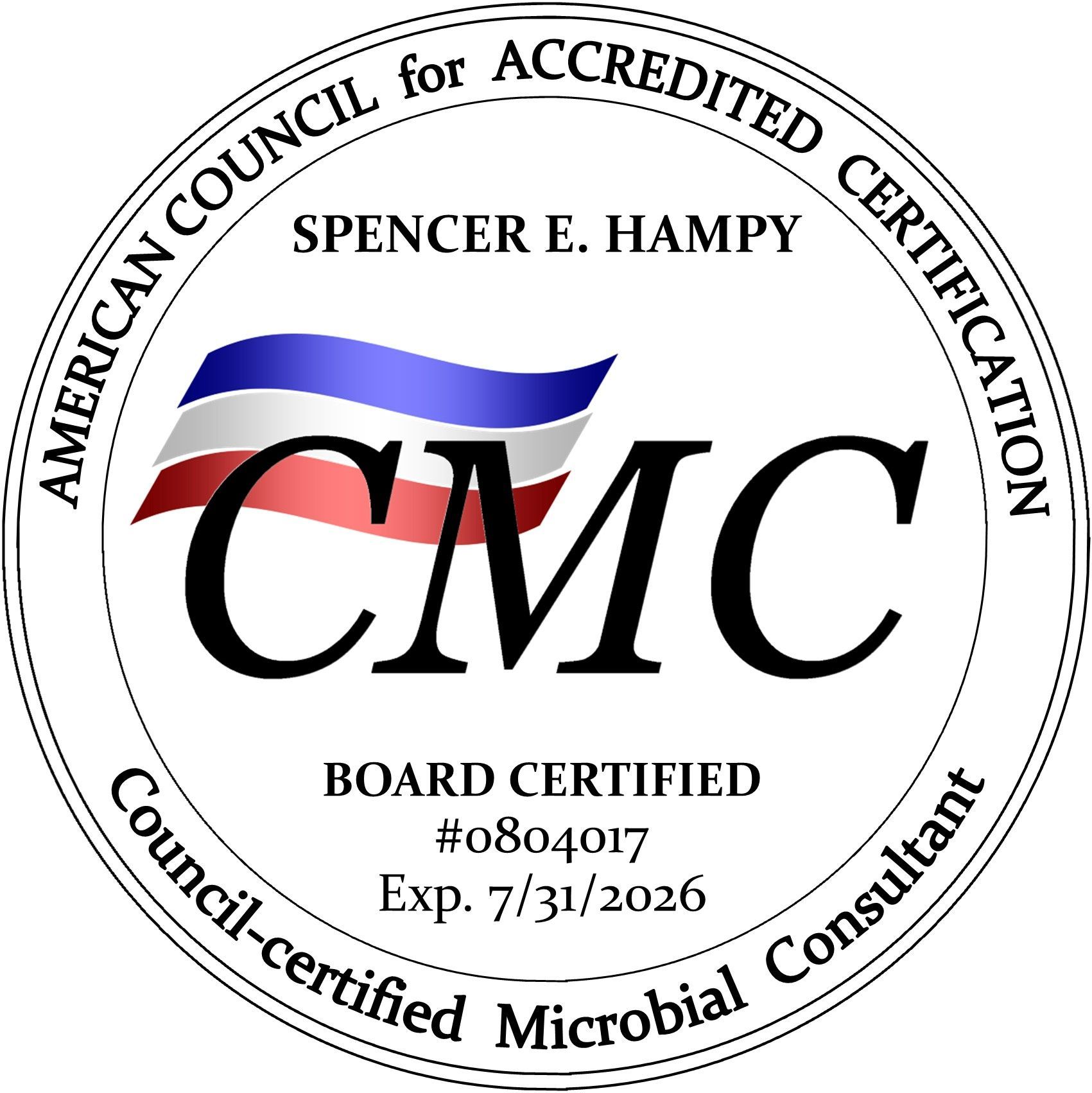
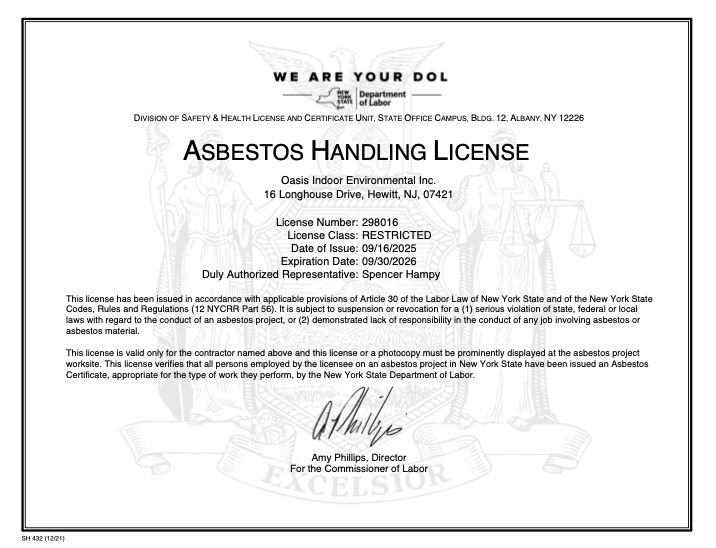
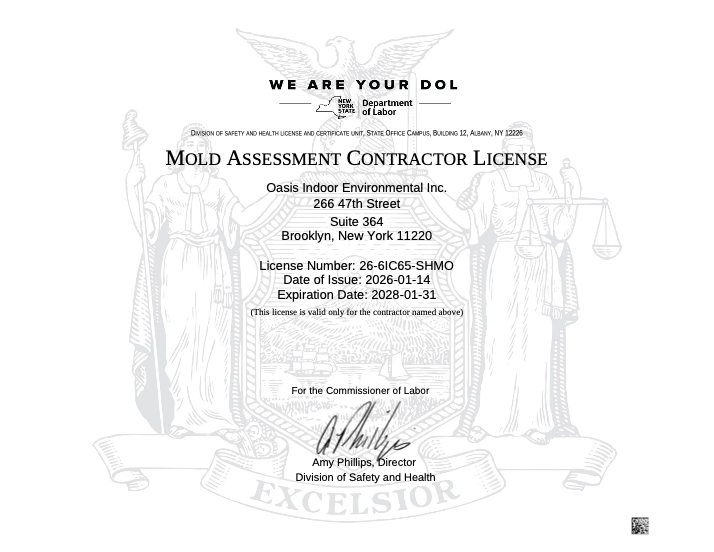
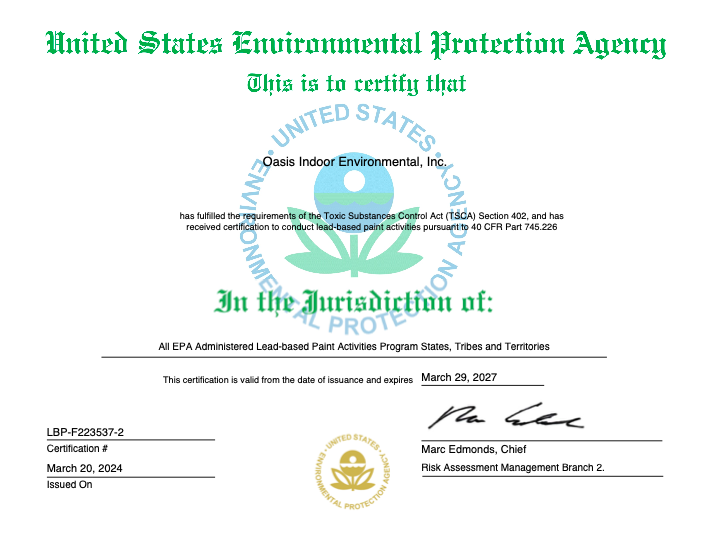
Our inspectors are EPA-certified, NYS-licensed, and credentialed through the Indoor Air Quality Association. Spencer Hampy, the company's president, personally walks clients through findings — a level of direct engagement that distinguishes our practice from firms that route everything through a call center or a generic PDF report.
Common Questions About Local Law 55 Compliance
Does Local Law 55 apply to my building?
LL55 applies to all multifamily residential buildings in New York City with three or more dwelling units. If your building meets that threshold, annual allergen inspections are required — regardless of building age, rent stabilization status, or prior inspection history.What qualifies someone to conduct an LL55 inspection?
The law requires a "qualified person," which HPD has interpreted to include individuals with demonstrated knowledge of allergen hazard identification. In practice, using a licensed and credentialed environmental inspector — rather than building staff — provides the strongest documentation and the clearest defense if a violation or tenant complaint arises.What happens if mold or pests are found during the inspection?
Finding a hazard during an LL55 inspection does not itself create a violation — it triggers a remediation obligation. The landlord must address the condition and document that it has been resolved. An independent post-remediation inspection provides the verification record that demonstrates the work was completed properly.How often do inspections have to happen?
At minimum, once per year per unit and common area. An additional inspection is required at the start of each new tenancy. Buildings with a history of HPD complaints or violations related to mold or pests may face more frequent scrutiny, and maintaining a consistent annual inspection record is one of the most effective ways to demonstrate good-faith compliance.