
Why Your Home’s Air Quality Might Be Worse Than Outside
When most people think about air pollution, they picture smog-filled city skylines, traffic congestion, or industrial areas. The assumption is simple: outdoor air is the problem, and inside your...

When most people think about air pollution, they picture smog-filled city skylines, traffic congestion, or industrial areas. The assumption is simple: outdoor air is the problem, and inside your home is where you’re safe. But in reality, the opposite is often true. The air inside your home can be significantly more polluted than the air outside—and the difference isn’t always obvious.
Indoor Air Quality vs Outdoor Air: The Surprising Reality
It feels counterintuitive, but indoor air has a tendency to trap contaminants rather than disperse them. Outdoors, pollutants have space to dissipate and dilute. Inside, especially in modern homes, air is contained, recirculated, and often sealed in tightly. Over time, this creates a buildup of particles, chemicals, and biological contaminants that you continue to breathe day after day.
Because you spend the majority of your time indoors—sleeping, working, and relaxing—the exposure adds up quickly. Even low levels of indoor air pollution can have a noticeable impact when experienced continuously.
What Causes Indoor Air Pollution in Homes?
The sources of indoor air pollution are more common than most homeowners realize. Mold is one of the most concerning contributors, often growing in hidden areas where moisture is present. Even small amounts can release spores into the air that circulate throughout your home.
Volatile organic compounds, or VOCs, are another major factor. These are chemicals released from everyday products like cleaning supplies, paints, furniture, and flooring. While they may not be visible or immediately noticeable, they can affect air quality over time.
Dust, pet dander, and other particulates also play a role, especially in homes without proper filtration. Add in poor ventilation, and these contaminants have nowhere to go. Instead of being flushed out, they linger and accumulate.
Why Modern Homes Can Make Air Quality Worse
Ironically, many of the features designed to make homes more efficient can also make indoor air quality worse. Modern construction emphasizes energy efficiency, which often means sealing homes tightly to prevent air leaks. While this helps with temperature control, it also reduces natural airflow.
Without adequate ventilation, fresh air doesn’t circulate in, and polluted air doesn’t escape. HVAC systems may recirculate the same air repeatedly, spreading contaminants from one room to another. Over time, this creates an environment where indoor air becomes stagnant and increasingly polluted.
Signs of Poor Air Quality in Your Home
You don’t need specialized equipment to notice when something feels off. Poor indoor air quality often shows up in subtle ways. You might experience frequent headaches, fatigue, or allergy-like symptoms that seem worse at home. Sleep quality can decline, and you may wake up feeling less rested than expected.
There are also environmental clues. Lingering odors that don’t go away, excessive dust buildup, or a feeling of heaviness in the air can all point to underlying issues. In some cases, humidity levels may feel unbalanced, creating either a damp or overly dry environment.
The Long-Term Effects of Breathing Poor Indoor Air
While occasional exposure may not seem significant, long-term exposure to poor indoor air can have lasting effects. Respiratory irritation can develop into more persistent issues, especially for those with asthma or sensitivities. Cognitive effects like difficulty concentrating or ongoing fatigue can also become more noticeable over time.
Because these symptoms develop gradually, they’re often overlooked or attributed to other factors. The home environment rarely gets considered, even though it plays a central role in daily health.
How Professional Air Testing Reveals What You Can’t See
One of the biggest challenges with indoor air quality is that the most harmful elements are invisible. You can’t see mold spores circulating in the air, and you won’t notice VOCs building up from household products. That’s why assumptions about air quality are often inaccurate.
Professional indoor air quality testing provides a clear picture of what’s actually present in your home. It identifies contaminants, measures air composition, and highlights problem areas that need attention. Instead of relying on guesswork, you get concrete data that helps guide the next steps.
When to Take Action on Your Home’s Air Quality
If you’ve noticed ongoing symptoms, persistent odors, or simply haven’t considered your indoor air before, it may be time to take a closer look. Your home should support your health, not work against it.
Testing your indoor air is a proactive step that can uncover hidden issues before they become bigger problems. With the right information, you can make targeted improvements that create a cleaner, healthier living environment for you and your family.
About the Author
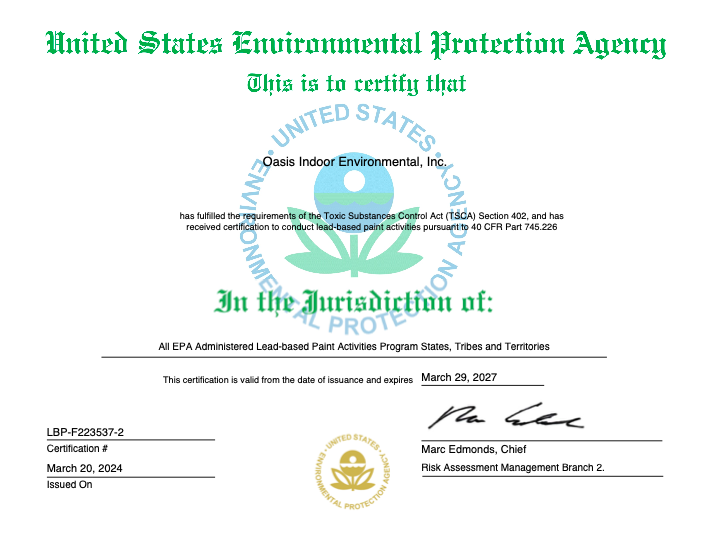
Spencer Hampy established Oasis Indoor Environmental, Inc. with the purpose of creating and maintaining healthy indoor environments in residential and commercial properties throughout the Greater New York City Area. What began as mold testing quickly expanded to include inspections and testing for every type of indoor air quality concern. We love a mystery!