
Why Humidity Control Matters During Peak Mold & Dust Mite Season
August in New Jersey and New York brings warm days and heavy moisture. That familiar late-summer stickiness outside often finds a way inside our living spaces. When relative humidity creeps above...
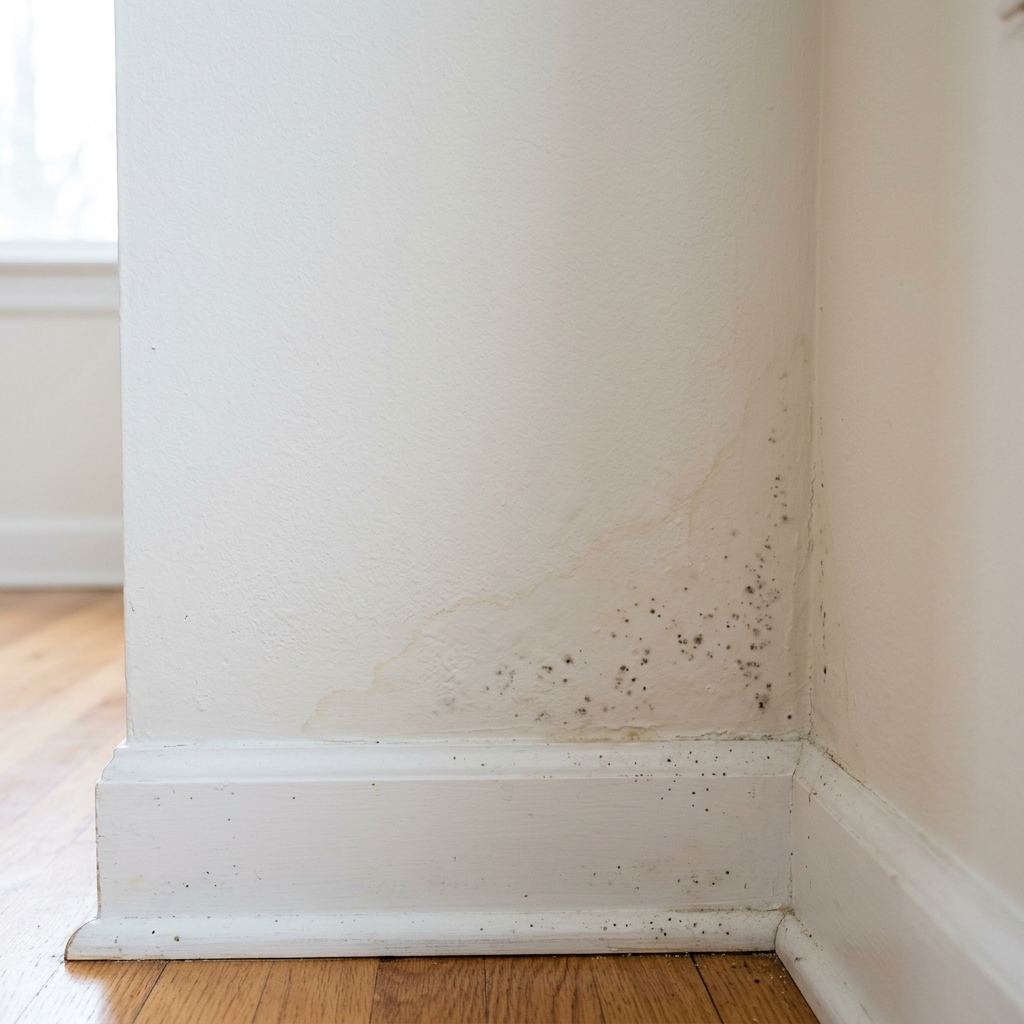
August in New Jersey and New York brings warm days and heavy moisture. That familiar late-summer stickiness outside often finds a way inside our living spaces. When relative humidity creeps above 50%, it creates an ideal climate for mold spores to colonize and dust mites to thrive. Understanding how humidity affects your home is the first step toward better indoor air quality.
How Humidity Drives Mold Growth
Mold does not always need standing water to grow. In many cases, consistently elevated humidity is enough to trigger spore activity on drywall, wood, and fabric. Different types of buildings face unique seasonal challenges:
- Basements: Subterranean walls stay cooler than the humid summer air, causing condensation to form on foundation walls and pipework.
- Garden-Level Apartments: Lower-level units often absorb moisture from surrounding soil and suffer from limited airflow, trapping humid air indoors.
- Older Homes: Aging insulation and minor gaps around windows allow humid outdoor air to seep into living areas and crawl spaces.
Dust Mites 101: The Unseen Allergen
While mold often leaves visible clues, dust mites are microscopic pests that thrive in the same humid conditions. Dust mites absorb moisture directly from the air. When indoor humidity rises, their populations multiply rapidly.
They prefer soft, fibrous places where they can hide, including:
- Bedding, pillows, and mattresses
- Upholstered furniture and rugs
- Heavy window drapes
As dust mite activity spikes, sensitive individuals may experience coughing, sneezing, itchy eyes, and worsened asthma symptoms. Keeping indoor humidity around 40% to 50% helps curb their life cycle naturally.
Early Signs of Moisture Issues
You do not need to be a building expert to spot the early indicators of excess indoor humidity. Homeowners, tenants, and property managers should keep an eye out for a few subtle warning signs:
- A persistent musty or damp odor in specific rooms
- Condensation fogging up window panes or sliding glass doors
- Warped wood flooring or slightly peeling wallpaper
- Unexplained seasonal allergy symptoms that improve when you leave the building
Our Moisture-First Investigation Approach
At Oasis Indoor Environmental, we believe effective solutions start with finding the true source of the problem. We never guess when it comes to your air quality. Our team always begins with a moisture-focused investigation to map out damp areas and temperature variations.
Once we understand how moisture behaves in your space, we conduct targeted air quality and allergen testing. We then provide a clear, actionable report. If remediation is necessary, we write a precise scope of work so you can get competitive, accurate bids from cleanup contractors.
When to Schedule Your IAQ Investigation
Late summer is the smartest time to evaluate your home before windows get shut tight for the autumn heating season. For New York City landlords, proactive summer testing also helps maintain compliance with indoor allergen standards like Local Law 55. Addressing elevated humidity now prevents lingering mold and dust mite issues from becoming trapped inside all winter.
Take Control of Your Indoor Air
If your home feels unusually humid or you notice musty odors, our team is here to help. Explore our new website to learn more about our comprehensive environmental services. Contact Oasis Indoor Environmental today to schedule a professional moisture and indoor air quality inspection.
About the Author
Spencer Hampy established Oasis Indoor Environmental, Inc. with the purpose of creating and maintaining healthy indoor environments in residential and commercial properties throughout the Greater New York City Area. What began as mold testing quickly expanded to include inspections and testing for every type of indoor air quality concern. We love a mystery!