
Dust Mite Allergies: Why They Spike in Humid, Late-Summer Weather
September in the Northeast often tricks us into thinking cooler autumn weather has arrived. Yet late summer frequently holds onto warm, stagnant air and high moisture levels. This lingering...
September in the Northeast often tricks us into thinking cooler autumn weather has arrived. Yet late summer frequently holds onto warm, stagnant air and high moisture levels. This lingering humidity creates a cozy environment for indoor pests. While many people associate autumn allergies with ragweed or mold, late summer is also the peak season for dust mite flare-ups.
How Dust Mites Survive and Reproduce
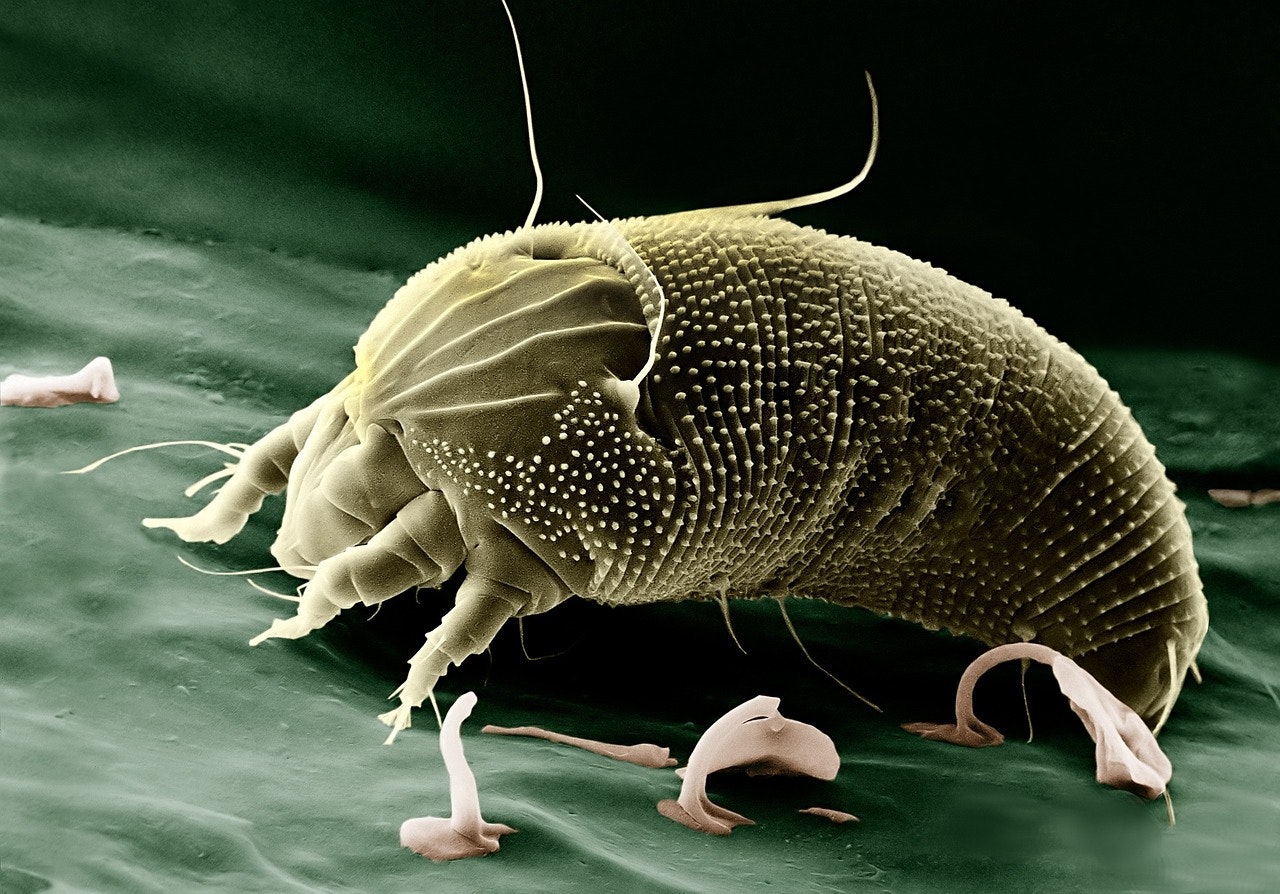
Dust mites are microscopic creatures that feed on discarded skin cells. Unlike other pests, they do not drink water. Instead, they absorb moisture directly from the surrounding air through their outer shells.
When relative humidity indoors stays above 50%, dust mite populations grow rapidly. They thrive in dark, warm, and fibrous places where moisture lingers. Your bedding, upholstery, carpets, and plush furniture provide the ideal real estate for these tiny intruders to multiply.
Symptoms Commonly Mistaken for Mold Allergies
Because dust mites and mold both thrive in humid environments, their allergy symptoms look almost identical. Many homeowners assume a musty basement or a hidden mold issue is causing their seasonal discomfort, when dust mites are actually to blame.
Common signs of a dust mite reaction include:
- Stuffy or runny nose, especially upon waking up
- Itchy, watery eyes
- Sneezing fits indoors
- A dry cough that worsens at night
- Chest tightness for those with asthma
Understanding which allergen is triggering your symptoms is crucial for fixing the problem correctly.
How We Perform Dust Sampling and Allergen Analysis
At Oasis Indoor Environmental, we take the guesswork out of indoor air quality. We use scientific testing methods to identify exactly what is floating in your air and settling on your surfaces.
During an allergen investigation, we collect targeted dust and air samples from key living areas, such as bedrooms and main living rooms. We analyze these samples to measure allergen loads, differentiating between dust mite proteins, mold spores, and pet dander. We then present our findings in an easy-to-read report with practical advice for improving your air.
Simple Steps to Reduce Indoor Dust Mites
While you cannot eliminate every dust mite, you can easily control their populations by managing moisture and household materials:
- Adjust your humidity: Use a dehumidifier or your HVAC system to keep indoor humidity below 50%.
- Protect your bedding: Use zippered, allergen-proof mattress and pillow covers to block dust mites from nesting.
- Refresh textiles: Wash sheets and blankets weekly in hot water, and replace old pillows every year or two.
- Improve ventilation: Run bathroom and kitchen exhaust fans to remove moisture right at the source.
When to Call for Professional Testing
If you have upgraded your cleaning routine and managed your indoor humidity but your allergy symptoms persist, it is time to look deeper. Professional testing is especially helpful for tenants and homeowners living in garden-level apartments or older buildings where humidity control is difficult. Testing is also a smart move for New York City landlords ensuring their residential units comply with indoor allergen standards under Local Law 55.
Take the Next Step Toward Cleaner Air
You deserve to feel comfortable and breathe easily in your own home. Visit our new website to learn more about our IAQ testing services and how we can help you identify hidden household irritants. Contact Oasis Indoor Environmental today to schedule your environmental investigation.
About the Author
Spencer Hampy established Oasis Indoor Environmental, Inc. with the purpose of creating and maintaining healthy indoor environments in residential and commercial properties throughout the Greater New York City Area. What began as mold testing quickly expanded to include inspections and testing for every type of indoor air quality concern. We love a mystery!